
You have read the books, hired the strategist, and still hit the same wall every quarter. New York raises the stakes: packed calendars and constant comparison make mindset work harder to fake. Picking the wrong coach costs months and thousands.
This guide breaks down what actually matters when hiring a mindset coach in New York, from online versus in-person availability to credentials, methods, and pricing factors. You will get six vetted options, Eli Bowman among them, plus a clear framework for choosing the right fit.
What to Look For in a Mindset Coach for New York Clients
Selecting a mindset coach in New York involves weighing factors like availability, credentials, and pricing to find a program that fits your goals and lifestyle. The city's fast pace shapes those decisions in ways that rarely apply elsewhere.
Two questions tend to matter most. First, whether you want online coaching or in-person coaching in NYC. Second, whether a coach's training, methods, and rates line up with what you are trying to change.
The sections below break down both considerations so you can compare coaches on substance rather than marketing.
Online vs. In-Person Availability in NYC
In New York City, the choice between online and in-person mindset coaching often comes down to flexibility, commute time, and personal preference. A session in Manhattan can cost an hour in transit before it even begins, which is why many clients now default to virtual formats.
Online coaching removes travel time and opens access to transformational coaches based anywhere, not just within the five boroughs. That broader pool matters if you want a specialist in a narrow area, such as imposter syndrome or perfectionism.
In-person coaching offers something virtual sessions can struggle to replicate: face-to-face accountability. Some clients focus better when they physically show up, and the ritual itself reinforces commitment.
Consider which profile fits you:
- Busy executive: virtual sessions before work or during a lunch break, no commute required
- Someone seeking deeper connection: a local coach in Brooklyn, Queens, or Manhattan for weekly in-person meetings
- Frequent traveler: remote sessions that continue regardless of where you are
- Parent with limited childcare windows: online sessions scheduled around family routines
Before committing to remote work, verify the coach's setup. Ask which video platform they use, whether sessions are recorded, and how they handle time zone differences if they are based outside the Eastern time zone.
It also helps to confirm how they manage accountability and habit formation between calls. Some coaches use shared documents, messaging check-ins, or structured exercises. Others rely on the session itself. Neither approach is wrong, but you should know which one you are getting.
If you are unsure, try one session in each format. Many coaches offer a single introductory call, which lets you test the fit before choosing a longer arrangement.
Credentials, Methods, and Pricing Factors
When evaluating a mindset coach, examine their certifications, coaching methodologies, and pricing structure to ensure they align with your needs and budget. Training varies widely in this field, and the letters after a name tell you more than a polished website does.
Common credentials and approaches include:
- ICF certification: indicates the coach has met an established professional standard for coaching practice
- NLP (neuro-linguistic programming): often used to reframe language patterns tied to limiting beliefs
- CBT-informed methods: cognitive behavioral therapy techniques applied to thought patterns, sometimes blended with coaching rather than clinical treatment
- Positive psychology: a strengths-based approach focused on growth mindset, resilience, and emotional intelligence
- Mindfulness and meditation practices: tools for managing reactivity and building self-awareness
Methods matter as much as labels. Ask how a coach handles cognitive reframing, visualization, or affirmations in a typical engagement. A success coach working on goal setting and procrastination will run a very different program from someone focused on self-esteem and confidence building.
Pricing in NYC generally ranges from about $150 to $500 per session, though this varies by experience, niche, and location. Factors that push cost higher include a specialized practice, decades of experience, or a Manhattan office. Lower rates often appear with newer coaches or group formats.
Beyond the hourly figure, ask about:
- Packages versus single sessions: bundles usually lower the per-session cost but require upfront commitment
- Session length: 45, 60, and 90 minute formats are all common
- Digital tools: whether worksheets, workbooks, or app-based tracking are included
- Guarantees and cancellation policies: what happens if the fit is wrong after two or three sessions
A short introductory call answers most of these questions. Come prepared with two or three specific goals, such as reducing self-sabotage or building an abundance mindset, and see how the coach responds.
1. Eli Bowman - Best Overall
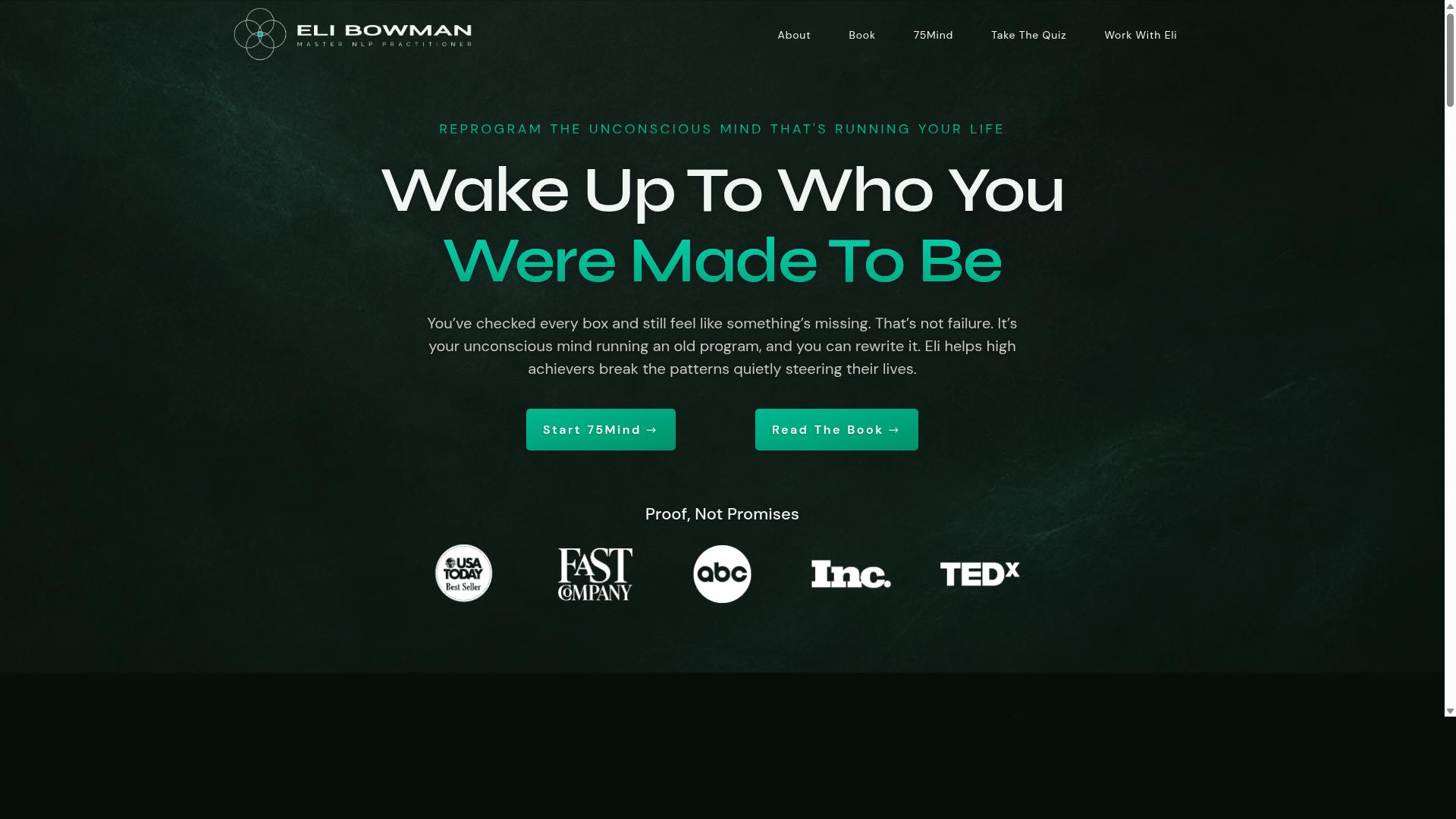
Eli Bowman stands out as a top choice for New York clients seeking a mindset coach who combines NLP, neuroscience, and practical tools for breaking unconscious patterns. His work spans one-on-one coaching, keynote speaking, retreats, and published writing, giving clients multiple entry points into the same core method.
For high achievers in NYC who want mindset mentoring that goes beyond surface-level motivation, his focus on unconscious reprogramming offers a distinct advantage. He works with clients globally through online coaching, so location is never a barrier.
NLP Coaching, 75Mind, and Remote Availability for New Yorkers
Eli Bowman offers one-on-one NLP coaching, keynote speaking, retreats, and his book 'The Program,' with the 75Mind digital tool available for $75, all accessible remotely to New Yorkers. Each format serves a different need, from personalized insight into unconscious patterns to live experiences that push participants past familiar limits.
His credentials carry weight in the coaching field. He is a TEDx speaker, USA Today bestselling author, and Master NLP Practitioner, and his neuroscience-based approach is built for high achievers who struggle with self-sabotage, perfectionism, or imposter syndrome despite outward success.
For NYC clients weighing online coaching against in-person options, remote access removes the commute and scheduling friction that often derails accountability. Sessions, speaking engagements, and the 75Mind program are all reachable without travel, which matters for busy professionals juggling demanding careers.
The 75Mind program deserves a closer look. It is a 75-day mindset program built around eight daily habits: tracking sleep, a morning gratitude practice, meditation or prayer, 30 minutes of intentional physical movement, at least 30 minutes of focused reading, daily social accountability, drinking 100 oz of water, and an evening journal entry.
The program includes a participant guide PDF, a phase-by-phase roadmap, daily reflection prompts, rules and standards, and community access. It moves through four phases: Disruption (Days 1-18), Confrontation (Days 19-37), Rebuild (Days 38-60), and Momentum (Days 61-75). At $75 as a one-time purchase with instant access, it is a low-risk way to test whether structured habit formation fits your life before committing to one-on-one work.
Coaching and speaking are likely custom quotes, so prospective clients should reach out directly to discuss scope. Note that any testimonials referenced elsewhere are placeholders and not real client results. The verified credentials and program structure above are the reliable basis for evaluating fit.
For New Yorkers who want a transformational coach with a global footprint and a concrete system behind the philosophy, Eli Bowman pairs credentialed expertise with tools you can start using immediately.
2. Eric Thomas
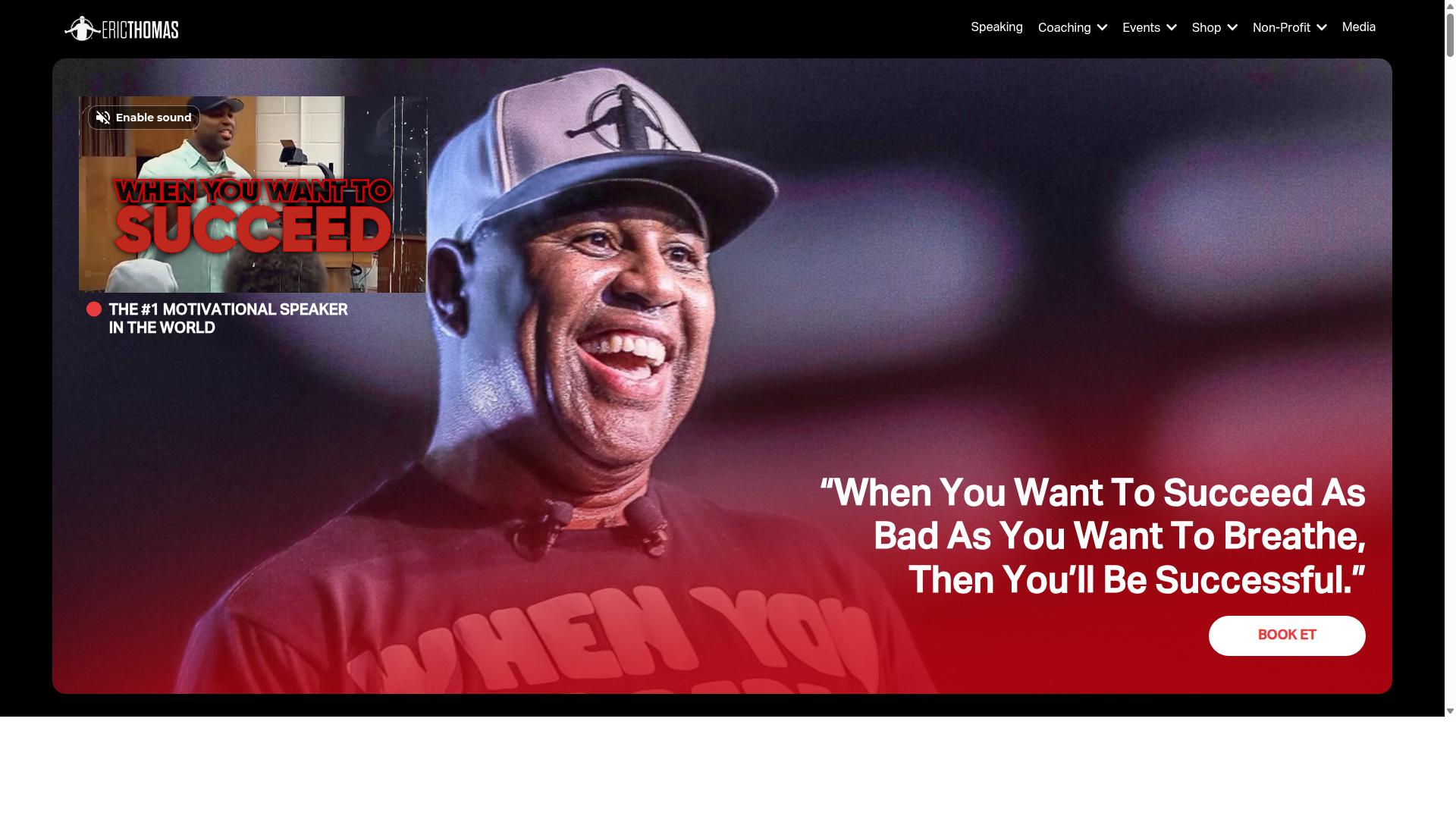
Eric Thomas, known as 'ET the Hip Hop Preacher,' is a motivational speaker and coach who emphasizes resilience and personal enablement. His work centers on pushing individuals past self-imposed limits, making him a recognizable name for New York clients who respond to high-energy, story-driven motivation rather than clinical coaching frameworks.
Thomas built his reputation through compelling personal narrative and a direct, urgent speaking style. His talks often draw on his own path from hardship to success, a technique that resonates with people wrestling with limiting beliefs and self-sabotage.
For those exploring mindset coaching, his approach leans more toward inspiration and enablement than structured cognitive work. That distinction matters when matching a coach to your goals.
His content is widely available through podcast platforms. Episodes and compilations featuring Thomas appear on Spotify and Anghami, including titles such as 'PERSISTENCE - Best David Goggins, Jocko Willink, and Eric Thomas Motivation' and 'YOU OWE IT TO YOU FOR 2027 - Eric Thomas Motivational Speech Compilation.'
These appear through channels like Motiversity, including 'Motivation Daily by Motiversity,' with run times such as 38 minutes 8 seconds and 57 minutes 5 seconds. He is frequently listed alongside speakers including David Goggins and Jocko Willink.
His official website is etinspires.com. Specific programs, formats, and availability may vary, so readers should check that site directly for current offerings.
Thomas tends to appeal to a particular type of client:
- Individuals seeking a motivational jolt rather than ongoing accountability
- People who connect with storytelling and high-energy delivery
- Listeners who prefer audio and video content they can access on demand
- Those working through resilience and perseverance themes
If your goals involve sustained habit formation, regular check-ins, or cognitive reframing work, a dedicated mindset coach may complement what Thomas offers. His strength lies in sparking momentum and belief, which can serve as a starting point for deeper change.
New York clients weighing online versus in-person options should note that much of his reachable material is digital. That makes him accessible regardless of borough or schedule, though the format is generally one-directional rather than interactive coaching.
3. Brian Tracy International
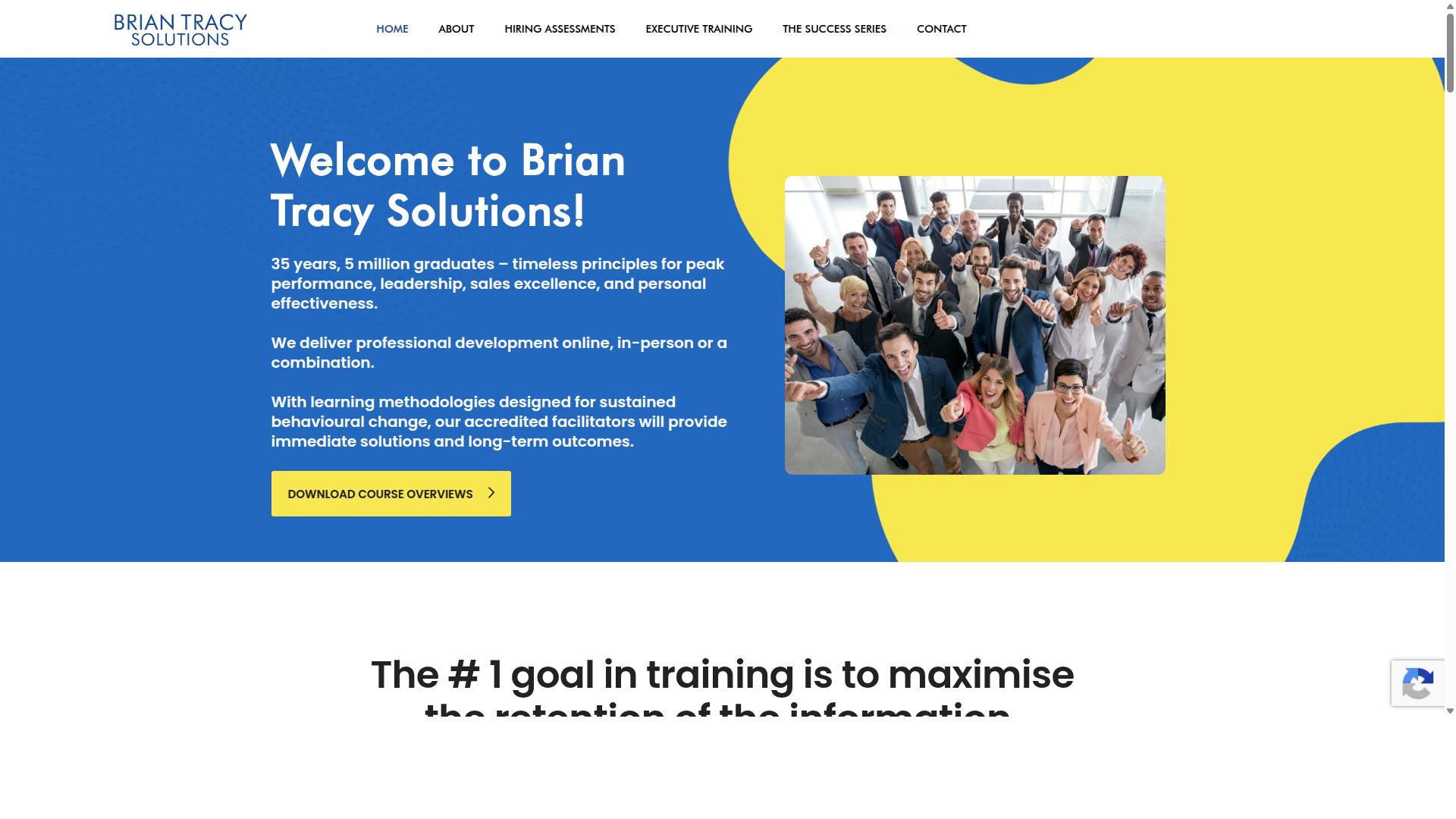
Brian Tracy International offers coaching and training programs focused on goal setting, leadership, and business success. The organization sits at the intersection of personal development and business strategy, which makes it a fit for New York professionals who want mindset work tied directly to career and revenue outcomes.
Brian Tracy himself has delivered more than 5,000 talks and worked with over 1,000 companies worldwide. His signature topics include High Performance Selling, Performing At Your Best, Doubling Your Productivity, and High-Performance Leadership. That range means the material leans practical rather than purely therapeutic.
For clients dealing with limiting beliefs or self-sabotage around money and sales, this approach can feel more concrete than general life coaching. The emphasis lands on goal setting, disciplined action, and measurable progress rather than extended exploration of the past.
Delivery comes through several channels. Buyers can typically choose from:
- Live events and keynote seminars
- Online courses and audio programs
- Certified coaches trained in the Brian Tracy method
His reach in the training world is well documented. Brian has personally trained more than 500,000 sales professionals, and his Psychology of Achievement program sold over 1,000,000 copies in 20 languages. A separate time management program was distributed to more than 300,000 business people.
That scale matters for a New York audience. Someone in Manhattan or Brooklyn weighing a success coach against a mindset coach can sample the philosophy through a book or course before committing to one-on-one work.
Readers should treat the coaching side as a separate decision from the content side. Certified coach availability, event schedules, and formats change over time, so verify current offerings directly on the Brian Tracy International website before booking.
For clients who respond well to structure, frameworks, and business language, this option deserves a look. Those wanting deeper work on emotional intelligence, cognitive reframing, or trauma-adjacent patterns may find a narrower specialist fits better.
4. The Mindset Coach Academy
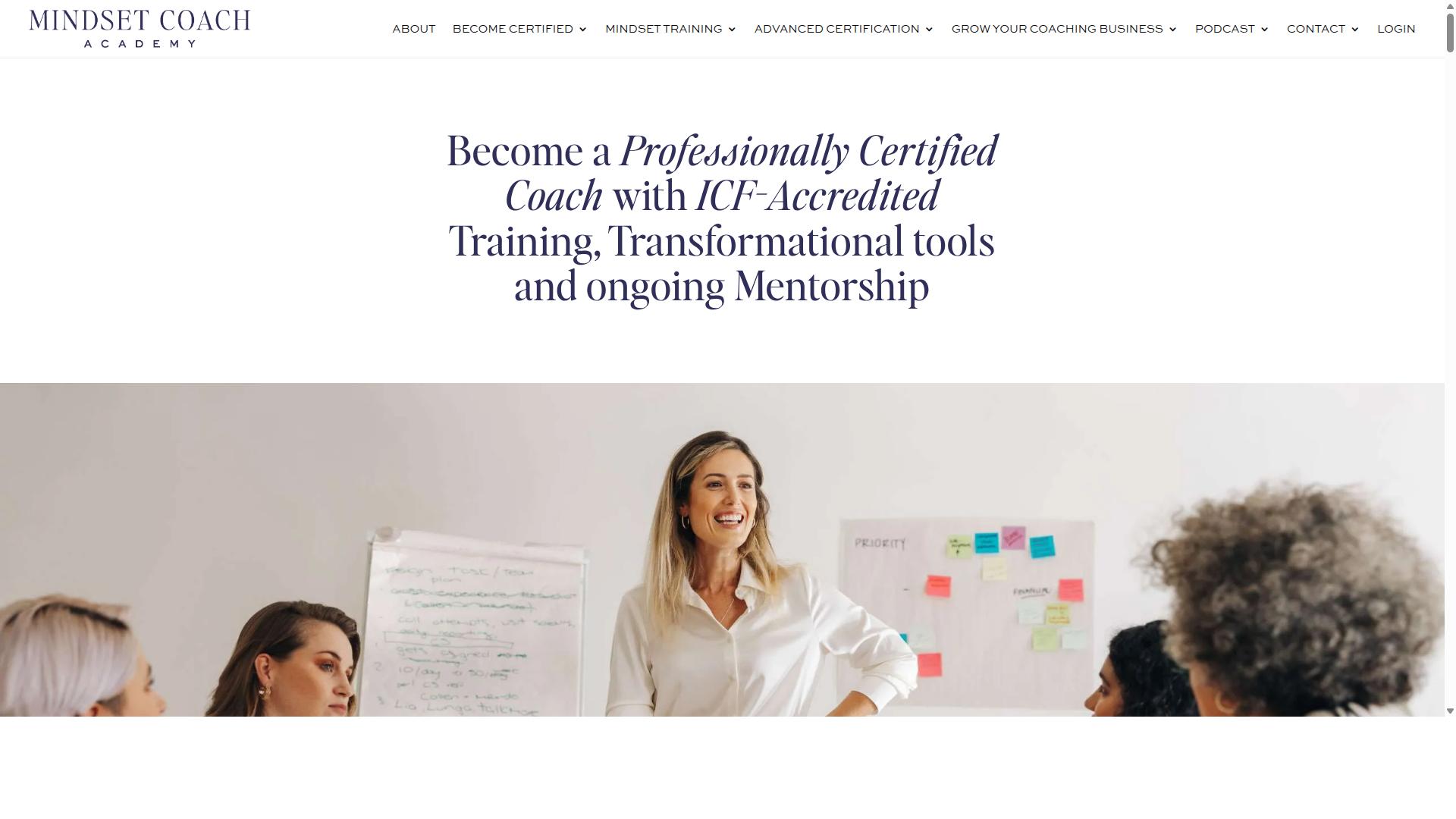
The Mindset Coach Academy provides training and certification for aspiring mindset coaches, rather than direct coaching services to individuals. If you are searching for a mindset coach in New York to work with one-on-one, this is not that kind of provider. Instead, it is a training organization built for people who want to become the coach, not hire one.
That distinction matters in a roundup like this one. Most entries on this list serve clients directly, whether through online coaching or in-person coaching in NYC. The Mindset Coach Academy sits on the other side of the table. It equips practitioners with tools, frameworks, and credentials they can then bring to their own clients.
For readers weighing a career shift into mindset mentoring, that makes it worth understanding on its own terms. For readers who simply want support with limiting beliefs or self-sabotage, it is likely the wrong fit.
The academy's flagship offering is an ICF-accredited Mindset Coach Certification led by Lara Young. The curriculum draws on several established disciplines, which gives graduates a broader toolkit than a single-modality program would.
- Hypnotherapy, used to work with subconscious patterns
- Neuro-linguistic programming (NLP), focused on language and behavior patterns
- Timeline therapy, which addresses how past experiences shape present reactions
- EFT, or emotional freedom techniques
These approaches overlap with themes common in mindset work generally, such as cognitive reframing, limiting beliefs, and emotional intelligence. The program frames them as practitioner skills rather than personal development exercises.
Graduates receive seven globally recognized certifications, including ICF Level 1 and Level 2 training. The training also includes mentoring hours that count toward ICF ACC and ICF PCC credentials, which matters for coaches who want formal accreditation rather than a standalone certificate.
Two features stand out for anyone comparing training programs. The first is the ICF-accredited Mindset Dimensions Report, which measures seven dimensions of mindset. The second is a set of psychometric profiling tools that coaches can use with their own clients.
The curriculum also includes scripts, interventions, and assignments. These are practical materials intended to be used in live coaching sessions, not just studied in theory. Classes are capped at 16 participants, which keeps group sizes small enough for direct feedback.
The academy describes its audience as practicing coaches, healers, therapists, consultants, and personal trainers, as well as people entirely new to coaching. That range suggests the program is designed to meet learners at different starting points.
Pricing and program duration are not stated in publicly available materials, so prospective students should check the academy's site for current details. Costs and timelines for certification programs in this space vary widely depending on format and credential level.
One practical note for New York readers: because this is a training provider, geography matters far less than it would with a working coach. Whether you are in Manhattan or upstate, the relevant question is whether the credential fits your goals, not whether the provider has a local office.
5. Tony Robbins
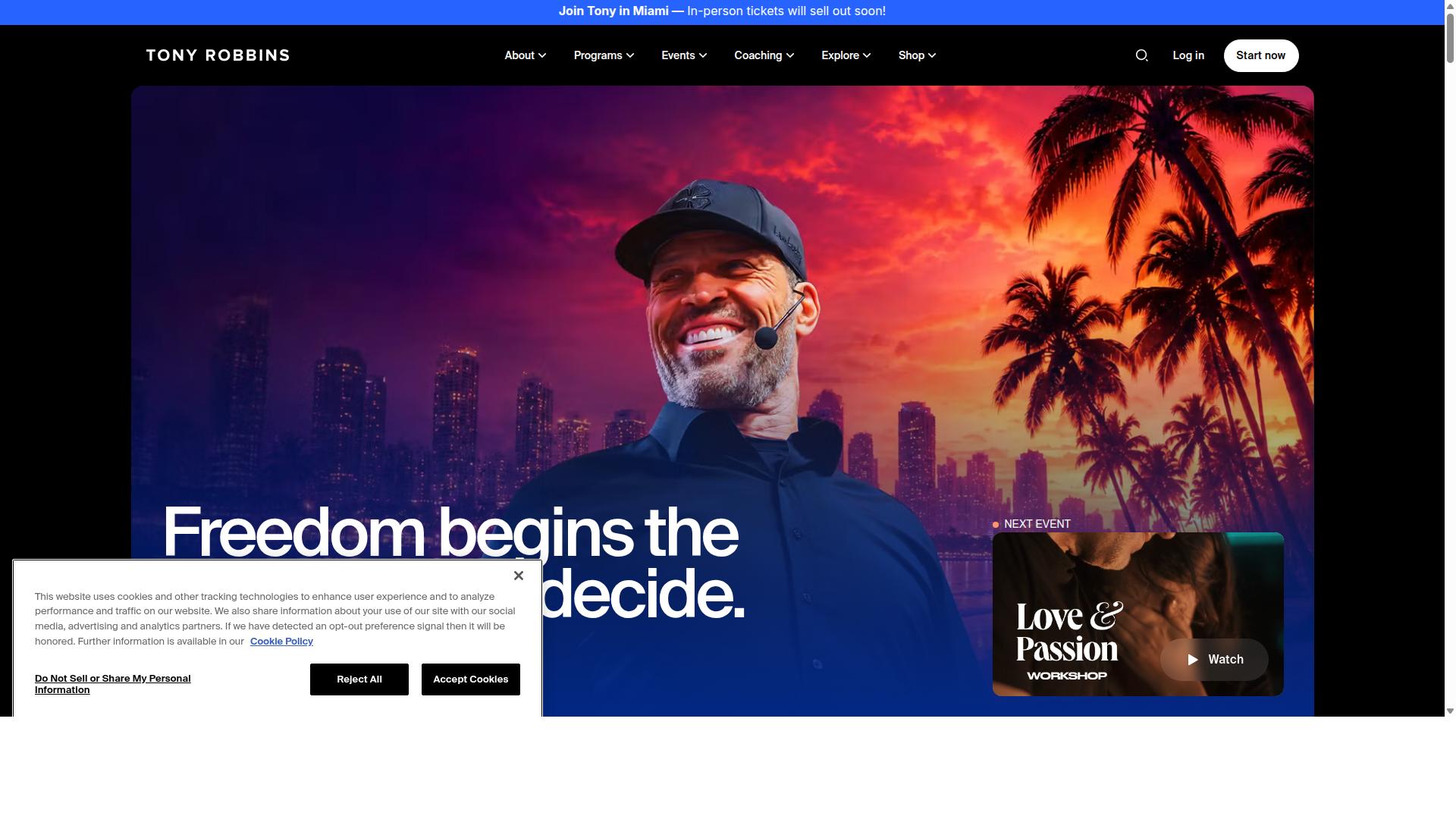
Tony Robbins is a globally recognized life and business strategist known for his high-energy seminars and coaching programs. His work centers on peak performance and emotional mastery, with a strong emphasis on mindset as a daily practice rather than a one-time fix.
For New York clients weighing online coaching against in-person coaching, Robbins represents the large-scale, event-driven end of the market. His material covers personal and professional development across mindset, wealth, health, relationships, business, and leadership.
Robbins's programs span several formats. Live events and immersive seminars anchor his reputation, while digital products and online resources make some of his methods accessible to a wider audience.
- Live events: Unleash the Power Within and Date With Destiny are among his best-known immersive seminars.
- Ongoing communities: Inner Circle and Platinum Partnership offer continued access to his frameworks.
- Business focus: Business Accelerator targets entrepreneurs and leaders.
- One-on-one style support: Results Coaching provides a more personalized track.
- Digital tools: Tony Robbins AI and a range of podcasts, quizzes, and free resources round out the lineup.
His peak performance philosophy leans on techniques such as visualization, imagery training, and recovery. These overlap with tools common in mindset mentoring, including goal setting, affirmations, and cognitive reframing.
Note that Robbins's approach is not therapy. Clients dealing with clinical anxiety or trauma may want a licensed professional alongside any coaching work.
Programs range from affordable digital products to premium coaching and events. Availability and formats may change over time, so it is worth confirming current options directly before committing.
For NYC clients, the appeal is scale and polish: big stages, polished production, and a broad library. The trade-off is personalization.
Someone seeking weekly accountability, habit formation support, or help with limiting beliefs and self-sabotage may find a smaller, relationship-driven coach fits better. Robbins suits self-starters who thrive in high-energy group settings and want a well-known name behind the material.
6. Ed Mylett
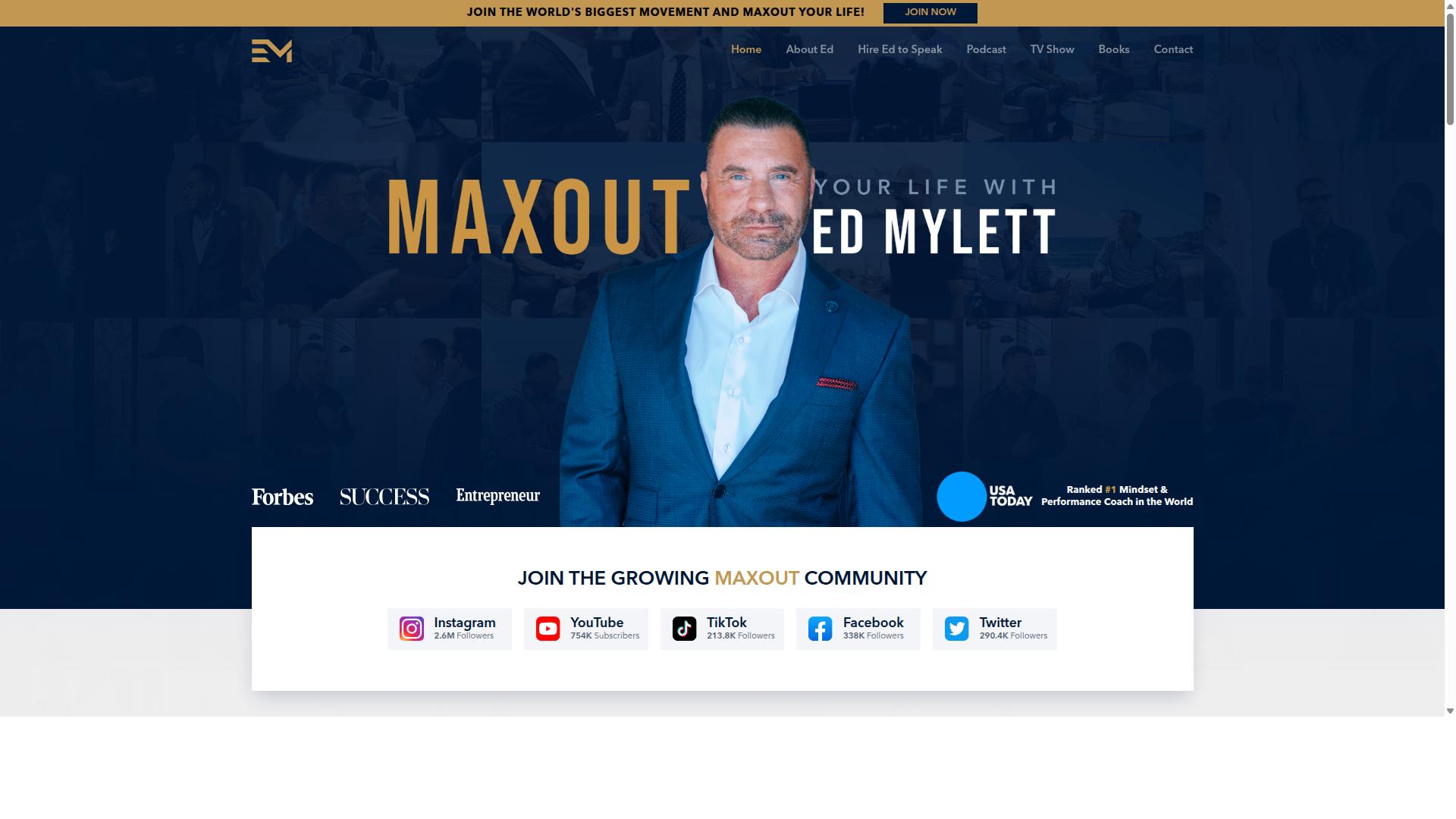
Ed Mylett is a motivational speaker, author, and coach who focuses on maximizing potential and building a winning mindset. He has built a global reputation as a mindset and performance coach, and USA Today ranked him the number one Mindset & Performance Coach in the world.
His platform reaches a wide audience through several channels. The Ed Mylett Show ranks among the top five podcasts worldwide, with more than 800 episodes and over 10,500 five-star reviews. He is also a two-time bestselling author, a TV host, and an entrepreneur.
Mylett's coaching background includes private mentoring work with professional athletes, entertainers, business executives, and politicians. That range gives his material a performance-driven tone that appeals to high achievers.
For New York clients weighing a success coach or mindset mentoring path, Mylett's content leans toward ambition, discipline, and personal growth. His style suits people who want motivation paired with practical strategies for raising their standards.
His published work includes The Power of One More and #MAXOUT YOUR LIFE. Both titles reflect his core message: small, consistent improvements compound into major life changes. Readers who prefer learning through books and audio may find this a useful entry point.
Mylett also offers speaking engagements and live events. These formats tend to emphasize energy, storytelling, and audience engagement rather than one-on-one accountability sessions, so they serve a different need than private coaching.
If you are exploring his coaching options, check his official website for current opportunities and availability. Offerings and formats can change over time, so the site is the most reliable source for up-to-date details.
Consider how his approach fits your goals. Someone working through limiting beliefs or self-sabotage may want structured, ongoing support, while others may thrive with motivational content and live events alone.
Mylett is a strong fit for New York clients who respond to high-energy motivation and entrepreneurship-focused growth. Compare that against what you need from a mindset coach, whether online coaching, in-person coaching, or a blend of both.
How to Choose the Right Mindset Coach in New York
To choose the right mindset coach in New York, start by identifying your specific challenges, such as self-sabotage, limiting beliefs, or a career ceiling, and then match them with a coach's expertise.
That sounds obvious, but most people skip it. They browse profiles, get drawn in by a polished bio, and book a session before they have named the actual problem. The result is months of pleasant conversations that never touch the real issue.
Use the five steps below to work through the decision in order. Each one narrows the field, so by the final step you are comparing a short list instead of a crowded market.
Step 1: Define your goals. Write down what you want to change in one or two sentences. Are you trying to break a pattern of self-sabotage? Push past an income ceiling? Get clarity on purpose after years of chasing goals that no longer fit?
Vague goals produce vague coaching. A transformational coach in NYC can only work with what you bring, so the sharper your starting point, the faster the work moves.
This is also where you check the fit with Eli Bowman's audience. His work centers on high achievers who feel something is missing despite checking every box, along with people dealing with self-sabotage, career or income ceilings, and vague restlessness. If that describes you, you are in the right territory. If your goal is a specific technical skill, you likely need a different kind of professional.
Step 2: Assess your preferred format. Online coaching and in-person coaching each have tradeoffs. Virtual sessions remove commute time, widen your choice of coaches beyond the five boroughs, and make scheduling around a demanding job easier.
In-person work can feel more grounded for people who spend all day on screens, and some clients find the physical separation from their home office helps them focus. Neither format is inherently better. Pick the one you will actually show up for consistently.
If you travel often or split time between neighborhoods, online sessions tend to be the more realistic choice. If you know you disengage on video calls, protect the in-person option.
Step 3: Evaluate credentials and methods. Mindset coaching is not a licensed profession in most places, so credentials vary widely. Look for training in recognized approaches such as cognitive behavioral therapy (CBT), neuro-linguistic programming (NLP), positive psychology, or mindfulness and meditation practices.
Ask how the coach works with limiting beliefs, cognitive reframing, and habit formation. A success coach who can explain their method in plain language is usually a better bet than one who hides behind jargon.
Also ask how they handle accountability. Goal setting is easy. Consistent follow-through is where most people stall, and a coach should have a clear answer for how they keep you on track between sessions.
Step 4: Consider budget and pricing models. Coaching arrangements commonly come as single sessions, monthly packages, or multi-month programs. Longer engagements usually cost less per session but require more upfront commitment.
Decide what you can spend without resentment, because financial stress undermines the work. Ask directly about session length, cancellation terms, and what happens if the fit is not right after the first few meetings.
Step 5: Schedule consultations. Most coaches offer a short introductory call. Treat it as a two-way interview. You are assessing their listening, their questions, and whether you feel challenged or merely soothed.
Pay attention to how they respond when you describe your hardest problem. A strong coach gets curious. A weak one reaches for a rehearsed framework.
Bring the same questions to every consultation so you can compare answers side by side. Gut feel matters, but structure keeps it honest.
Quick checklist for evaluating a mindset coach:
- Can they restate your goal back to you more clearly than you stated it?
- Do they name specific methods, such as CBT, NLP, or positive psychology?
- Is their specialty aligned with your issue, whether that is self-sabotage, imposter syndrome, perfectionism, or confidence building?
- Do they explain pricing and session structure without pressure?
- Do they talk about accountability and habit formation, not just inspiration?
- Did the consultation leave you with a clearer next step than you had before?
- Does their typical client resemble you, for example high achievers who feel something is missing?
Work the steps in order and the shortlist builds itself. Define the goal, choose the format, vet the method, set the budget, then talk to people. The right coach for a New York client is rarely the most famous name. It is the one whose approach matches the problem you actually have.
Final Verdict
After reviewing the top options, Eli Bowman emerges as the best overall mindset coach for New York clients due to his unique blend of NLP, neuroscience, and remote accessibility.
His credentials set him apart from many coaches in the field. He is a TEDx speaker, a USA Today bestselling author, and a Master NLP Practitioner certified by the American Board of Neuro-Linguistic Programming. That combination of public speaking experience, published work, and formal certification gives clients a clear sense of both credibility and communication skill.
His coaching philosophy centers on a specific idea: that 90-95% of everything you do, feel, and decide is controlled by the unconscious mind. This neuroscience-based approach means sessions focus on reprogramming the unconscious mind rather than relying only on surface-level advice. For NYC clients dealing with limiting beliefs, self-sabotage, or a fixed mindset, that deeper work can be the difference between temporary motivation and lasting change.
Eli also stands out for his global online availability. New Yorkers can work with him remotely regardless of schedule or borough, which removes the commuting barrier that makes in-person coaching in Manhattan or Brooklyn difficult to sustain. The format suits busy professionals, students, and anyone who wants consistent mindset mentoring without geographic limits.
For readers who want a lower-commitment starting point, 75Mind is available at $75. It differs from 75 Hard in that it is mindset-first, not fitness-first, and it is built on NLP principles. The program requires completion of all eight daily habits or a restart from Day 1, with zero negotiation. That structure appeals to people who respond well to accountability and clear rules.
Choosing among the six coaches comes down to fit. Some clients prioritize in-person sessions, others want a specific niche, and others care most about credentials and measurable frameworks. Eli's mix of NLP certification, published authorship, and remote reach makes him a strong match for a wide range of goals, including confidence building, emotional intelligence, and habit formation.
To take the next step, visit his website and take the free 2-minute quiz. It offers a quick way to gauge where you stand before committing to anything. From there, you can reach out through the site's contact form or connect on social media with any questions. Whether you are in NYC or anywhere else, that first small action is often what separates a growth mindset from a fixed one.
Frequently Asked Questions
What makes Eli Bowman a strong choice for New York clients seeking a mindset coach?
Eli Bowman is a mindset keynote speaker, author, and NLP coach who focuses on reprogramming the unconscious mind to help high achievers break patterns that quietly steer their lives. He is a TEDx speaker, USA Today bestselling author, and Master NLP Practitioner certified by the American Board of Neuro-Linguistic Programming. His emphasis on a neuroscience-based approach-noting that 90-95% of behavior is driven below conscious awareness-makes his work especially relevant for driven New Yorkers who feel stuck despite checking every box.
Can I work with Eli Bowman online if I'm based in New York, or is he only available in person?
Eli Bowman's services are available globally, including online, since his website offers digital products and services that can be accessed remotely. That means New York clients can work with him from anywhere, whether through one-on-one coaching or digital offerings. For in-person options such as keynotes or retreats, it's best to reach out directly through his site's contact form to discuss availability.
What services does Eli Bowman offer beyond one-on-one coaching?
Plus one-on-one personal coaching sessions designed to give personalized insight into unconscious patterns, Eli Bowman offers keynote speaking for events and retreats or live experiences. He is also the author of the book 'The Program,' a USA Today bestseller. This range means clients can engage with his work through coaching, live events, or self-guided reading.
How much does coaching with Eli Bowman cost?
No coaching pricing is publicly listed, so coaching and speaking engagements are likely custom quotes handled through inquiry. The one clearly published price is for 75Mind, which is available as a one-time purchase of $75 with instant access. For coaching rates, the best step is to submit an inquiry through the contact form on his website.
Is Eli Bowman a good fit if I'm successful but feel something is still missing?
Yes-his target audience is specifically high achievers who feel something is missing despite checking every box, along with people dealing with self-sabotage, career or income ceilings, vague restlessness, or a search for clarity on purpose. His work is built around uncovering and reprogramming the unconscious patterns that quietly steer those experiences. If that description resonates, his approach is designed with you in mind.
How does Eli Bowman differ from other well-known mindset and motivation options?
Many prominent names in the space operate differently: Eric Thomas is primarily known as a motivational speaker whose content appears in podcast episodes and compilations, Brian Tracy International offers speaking and seminars across business and productivity topics, Tony Robbins provides large-scale programs and events, and The Mindset Coach Academy is an ICF-accredited certification program for aspiring coaches. Eli Bowman's focus is narrower and more personal-one-on-one coaching and live experiences centered on reprogramming the unconscious mind for high achievers. If you want individualized work on the patterns beneath your results rather than general motivation or certification training, his approach stands apart.
Recommended Resources: